How Water Intrusion Damages Foundations and Basements
Homeowners seeking to prevent water intrusion damage often turn to local contractors who specialize in basement and foundation waterproofing to protect their property.
Understanding how water intrusion damages foundations and basements is essential for property owners looking to protect their homes and investments. Water can seep through cracks, porous materials, or poorly sealed areas, leading to structural weakening, mold growth, and costly repairs. For those living in areas prone to heavy rainfall, fluctuating groundwater levels, or poor drainage, exploring this topic can reveal practical ways to safeguard a property’s stability and longevity. Local contractors specializing in basement and foundation waterproofing offer valuable services that address these vulnerabilities, helping homeowners prevent water-related issues before they escalate.
By learning about the causes and effects of water intrusion, property owners can make informed decisions about safeguarding their homes. Whether it’s addressing minor leaks or implementing comprehensive waterproofing solutions, experienced service providers in the area are equipped to handle these concerns effectively. Keep reading to discover how water intrusion impacts foundations and basements, and how local experts can assist in maintaining a dry, stable, and secure property.
- Basement waterproofing - homeowners noticing signs of moisture or water seepage in their basement may seek waterproofing services to prevent further damage caused by water intrusion.
- Foundation sealing - when cracks or leaks are present in a foundation, local contractors can apply sealing techniques to reduce water entry and protect the structural integrity.
- Drainage system installation - properties experiencing poor drainage or pooling around the foundation may require professional drainage solutions to divert water away from the basement and foundation.
- Waterproof membrane application - in cases where water intrusion has compromised basement walls, service providers can install membranes to block water and moisture from penetrating the structure.
- Exterior waterproofing - homes with rising water levels or heavy rainfall issues benefit from exterior waterproofing to create a barrier against water intrusion that damages foundations and basements.
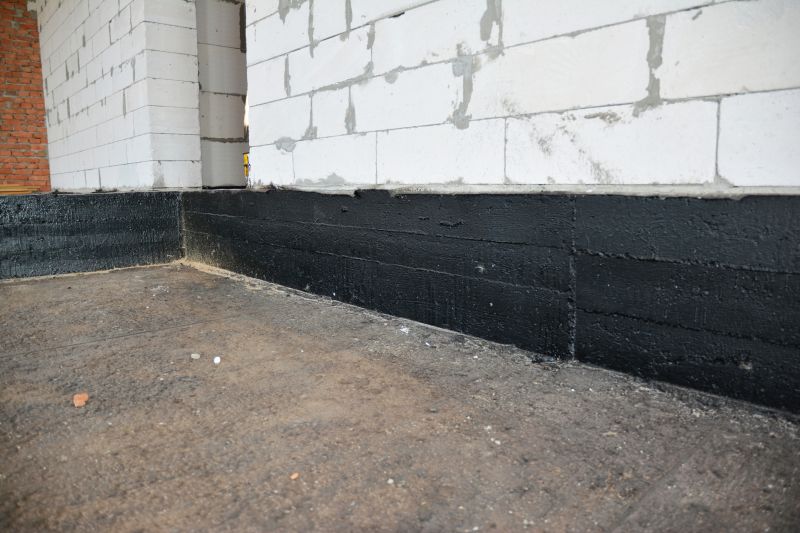
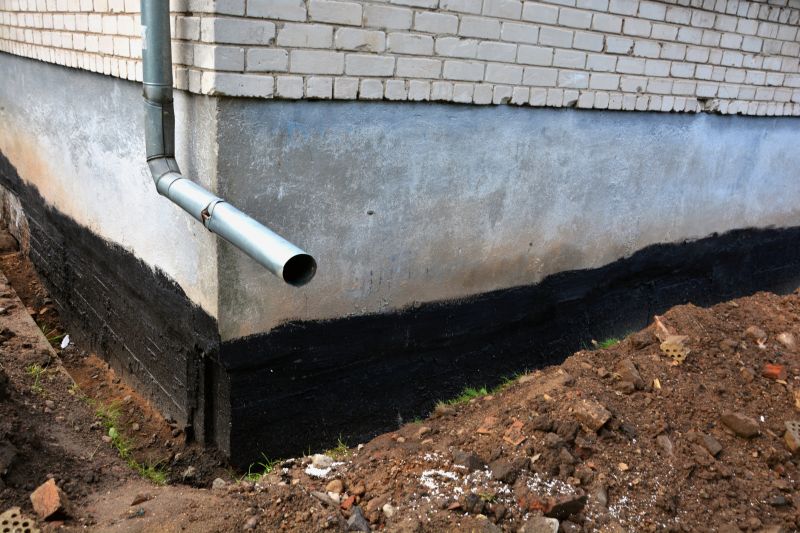
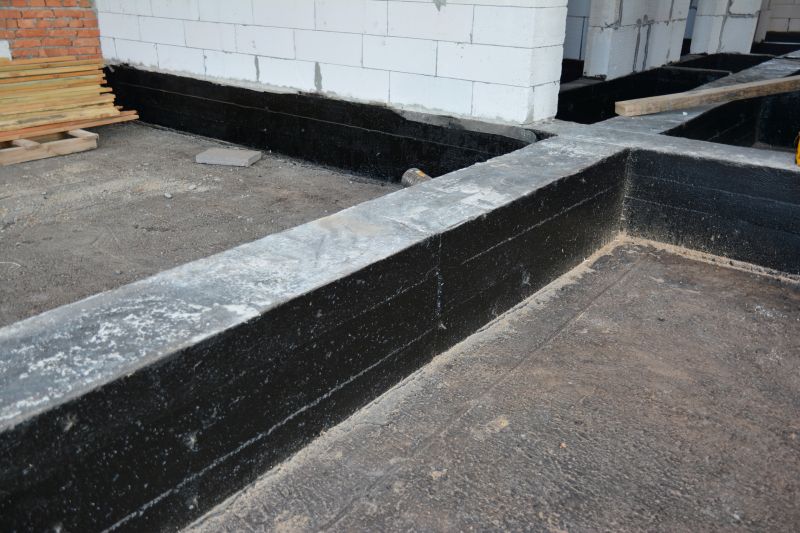
Understanding how water intrusion damages foundations and basements is essential for homeowners concerned about the structural integrity of their properties. When water seeps into or around a building’s foundation, it can cause a range of problems that compromise safety and stability. Common signs include cracks in foundation walls, uneven flooring, or persistent dampness and mold in the basement. Homeowners often search for this topic to learn about the risks associated with water infiltration and to find solutions that prevent further damage. Recognizing how water moves through soil and how it can infiltrate foundation walls helps homeowners grasp the importance of proper waterproofing measures.
Water intrusion can lead to serious issues if left unaddressed. It often results in weakened concrete or masonry, which can cause cracks and shifting in the foundation. Over time, this can lead to settling or even structural failure. In basements, water intrusion frequently causes dampness, mold growth, and damage to stored belongings or finished surfaces. These problems not only diminish the property’s value but can also pose health risks. Homeowners planning repairs or improvements often seek information on how to stop water from entering their homes, which naturally connects to the role of waterproofing services. Local contractors specializing in foundation and basement waterproofing can assess the specific causes of water intrusion and recommend effective solutions.
The types of properties most commonly affected by water intrusion include older homes with less effective drainage systems, homes built on clay soils, or properties with poorly maintained gutters and downspouts. Both residential and commercial buildings can be vulnerable, especially those with basements or below-grade levels. In many cases, water intrusion occurs during heavy rains, rapid snowmelt, or periods of high groundwater levels. These conditions make it crucial for property owners to understand how water can penetrate their structures and to explore options for waterproofing. Local service providers experienced in foundation and basement waterproofing are often called upon to install barriers, drainage systems, and sump pumps that help prevent water from damaging the property’s foundation and interior.
In many cases, addressing how water intrusion damages foundations and basements involves a combination of repairs and preventative measures. Homeowners may seek out local pros to evaluate their property’s vulnerability and recommend tailored solutions. These can include exterior waterproofing, interior sealants, or drainage improvements designed to divert water away from the foundation. Properly installed waterproofing systems not only protect the structural integrity but also help maintain a dry, healthy basement environment. Connecting with experienced service providers ensures that the right approach is taken for each property’s unique conditions. This proactive step can save homeowners from costly repairs and ongoing issues related to water damage over time.
Basement Waterproofing - this project involves applying barriers and drainage systems to prevent water intrusion, sharing skills with foundation sealing and moisture control services.
Foundation Repair - repairing cracked or settling foundations requires similar planning and expertise in soil stabilization and structural reinforcement to prevent water damage.
Drainage System Installation - installing exterior or interior drainage solutions helps manage water flow around structures, complementing waterproofing efforts for basements and foundations.
Sump Pump Systems - setting up sump pumps to remove accumulated water is a common component in waterproofing projects aimed at protecting basements from water intrusion.
Moisture Barrier Installation - applying vapor barriers or sealants inside walls and floors is related to waterproofing techniques that prevent water from damaging foundations.
Exterior Excavation and Grading - reshaping landscape and improving drainage around a property reduces water pressure on foundations, supporting effective waterproofing strategies.
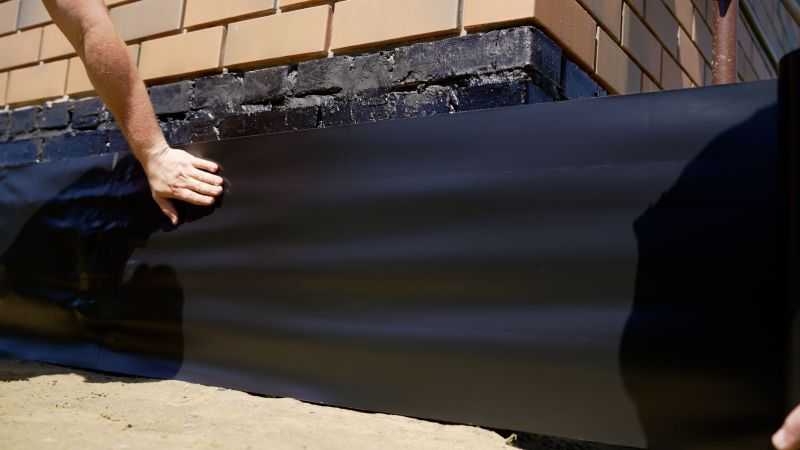
When evaluating contractors for basement and foundation waterproofing, it is important to consider their experience with similar projects. A service provider who has handled water intrusion issues in homes with comparable foundation types or basement conditions is more likely to understand the specific challenges involved. This familiarity can lead to more effective solutions that address the root causes of water damage, preventing ongoing issues and potential structural deterioration caused by water intrusion.
Clear, written expectations are essential when comparing local contractors. A reputable service provider should be able to outline the scope of work, including the methods and materials used, as well as any necessary preparatory steps or follow-up maintenance. Having a detailed, documented plan helps ensure that all parties are aligned on what the project entails, reducing misunderstandings and providing a basis for evaluating the quality and thoroughness of the proposed waterproofing approach.
Reputable references and effective communication are key indicators of a reliable contractor. Service providers who can provide references from past clients with similar project needs demonstrate their track record of successful work. Additionally, good communication-such as prompt responses to inquiries and clarity in explaining procedures-can make the process smoother and help homeowners feel confident in the contractor’s ability to manage water intrusion issues effectively. These qualities contribute to a positive experience and increase the likelihood of lasting, satisfactory results.
Property owners often search for how water intrusion damages foundations and basements when they are planning practical projects around their homes and businesses. Local pros provide Basement and Foundation Waterproofing services for everyday jobs and straightforward project options.
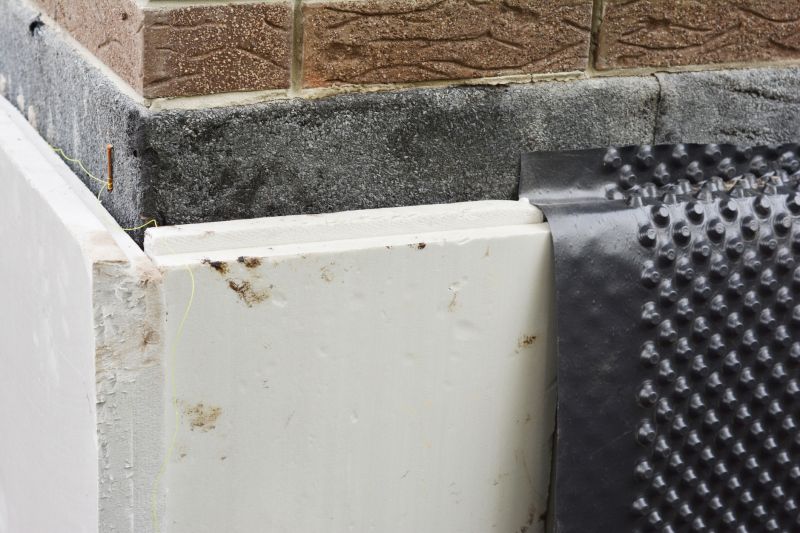
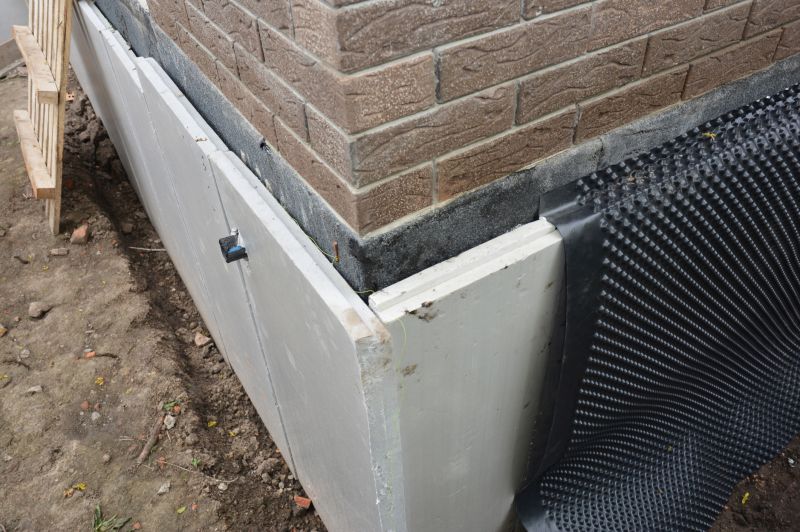
Water intrusion can cause significant damage to foundations and basements, especially during heavy rains or rapid snowmelt. When water seeps through cracks or porous materials, it can weaken the structural integrity of the foundation over time, leading to cracks, shifting, or even settling. In basements, persistent moisture can result in dampness, mold growth, and compromised wall materials, which may affect the safety and usability of the space. Property owners in the area often look into waterproofing services to prevent these issues and protect their investment from the common effects of water intrusion.
Local contractors who specialize in foundation and basement waterproofing offer solutions to keep water out and preserve the integrity of a property. These professionals can assess the specific needs of each home, identify vulnerable areas, and implement effective barriers such as sealants, drainage systems, or sump pumps. By addressing water intrusion early, property owners can avoid costly repairs and maintain a dry, stable basement environment. Connecting with experienced service providers can help ensure that foundations and basements are safeguarded against ongoing water damage.
How does water intrusion damage foundations and basements? Water intrusion can weaken foundation walls, cause cracks, and lead to structural instability. It may also result in basement flooding, mold growth, and deterioration of building materials, increasing repair needs over time.
What are common signs of water damage in foundations and basements? Signs include damp or wet walls, mold or mildew growth, water stains, cracking or bulging foundation walls, and musty odors. These indicators suggest water intrusion issues that require professional assessment.
How can waterproofing services help prevent water damage? Waterproofing services create barriers to water entry, such as sealants, drainage systems, and sump pumps. These solutions help keep basements dry and protect foundations from water-related deterioration.
Why should homeowners consider professional waterproofing for water intrusion issues? Professionals have the expertise to identify the source of water intrusion and implement effective solutions, reducing the risk of ongoing damage and costly repairs in the future.
What role do local contractors play in repairing water intrusion damage? Local contractors assess the extent of water damage, recommend suitable waterproofing methods, and perform the necessary repairs to protect foundations and basements from future water intrusion problems.
Identify water entry points - inspecting your foundation and basement for cracks or gaps can help determine where water may be seeping in, allowing local contractors to recommend effective waterproofing solutions.
Improve drainage around the property - ensuring gutters and downspouts direct water away from the foundation can prevent water buildup that contributes to damage, with local pros providing guidance on proper grading.
Install proper waterproofing barriers - adding sealants, membranes, or drainage systems can stop water intrusion before it causes harm, and local service providers can handle the installation for lasting protection.
Monitor signs of water damage - checking for mold, musty odors, or damp spots can alert property owners to ongoing water intrusion issues, prompting professional waterproofing assessments and repairs.
If you are thinking about how water intrusion damages foundations and basements for a property, this guide is meant to help you understand this topic, the typical project types, and how different options might fit your plans.
When you are ready, you can use the quote form on this page to share a few details about your project. From there, local pros can review the basics and follow up with options that match what you have in mind.